Choosing a party game for a group: words, guessing or bluffing?
With six, eight or ten people at the table you need a game with short rules where everyone plays at once. Here is how to choose between word, guessing and bluffing games.

Short answer: Pick the kind of party game first: word games and guessing games work with almost any group, while bluffing games need players who enjoy lying and accusing each other. Then check the player count on the box: Codenames and Concept are made for big groups, and Werewolves of Millers Hollow needs even more people.
With six, eight or ten people round the table, a big board game rarely works. Party games have short rules, quick turns and everyone plays at once. This guide helps you choose between the three kinds you meet most often: word, guessing and bluffing games. Player counts, ages and playing times come from the box and the publisher. BoardGameDrop does not test games itself.
Three questions before you choose
How many players? The number on the box is the game's limit. A game for 3 to 7 players will not stretch to twelve, and a game that starts at five does not work with four. If your group changes from week to week, pick a game with a wide range.
Together or against each other? In some party games the whole table wins or loses together, in others you play in two teams, and in bluffing games everyone has a role. If someone in your group hates losing, a co-operative game is the safer choice.
Who is playing? A night with colleagues calls for something different from a birthday with grandparents and children. Check the age on the box and how much reading and talking the game asks for. Language matters too: in word games everyone needs to know the language on the cards.
Word games: one word is enough
In a word game one player gives a clue and the others guess the word. Almost anyone can join in, because the rules take a minute to explain.
- Codenames: two teams, and in each team one player gives one-word clues to point out the right cards on the table. Czech Games Edition, the maker, lists 4 to 8 or more players and about 15 minutes a game. The age differs by edition: the maker says 10 and up, the Dutch box 8 and up. Codenames won the Spiel des Jahres in 2016.
- Just One: everyone writes down one secret clue, but identical clues are cancelled. A co-operative game for 3 to 7 players and the 2019 Spiel des Jahres winner.
- Concept: you give clues with pictures instead of words. You place markers on a board full of symbols until the others guess the idea. Only the clue giver reads the idea on the card; the others need not read anything.
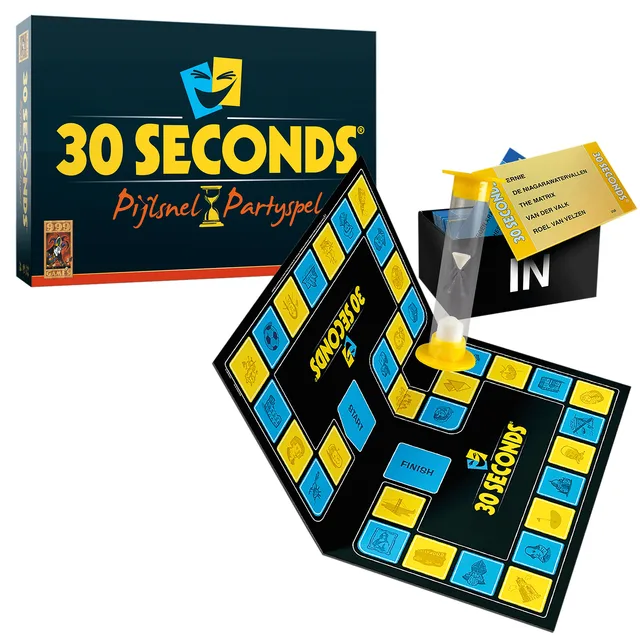
For a classic team night there is 30 Seconds from 999 Games, where you describe as many terms as you can in half a minute, and Taboo from Hasbro Gaming, where a few words are off limits.
Word games for a group
- White Goblin Games
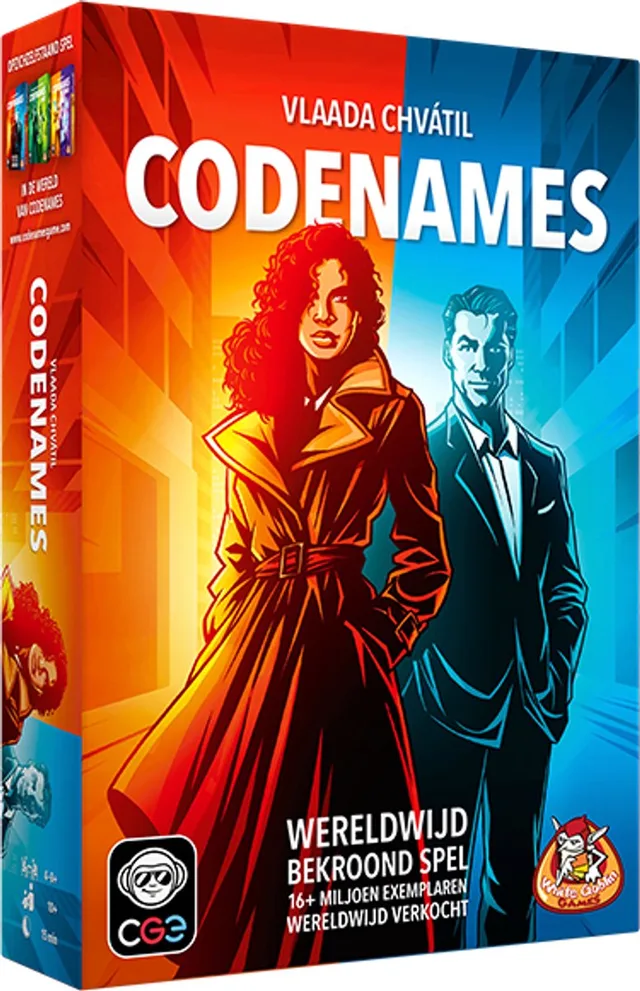
Codenames, party game, 4 to 8 players, ages 8 and up, 15 minutes, a hit at home and abroad
From €24.95 · at 6 shops
- Repos Production
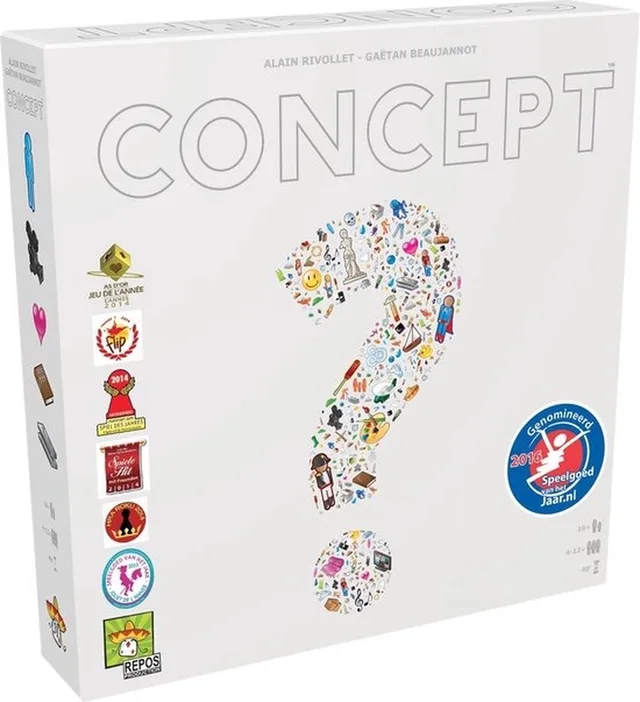
Concept
From €26.99 · at 2 shops
- 999 Games
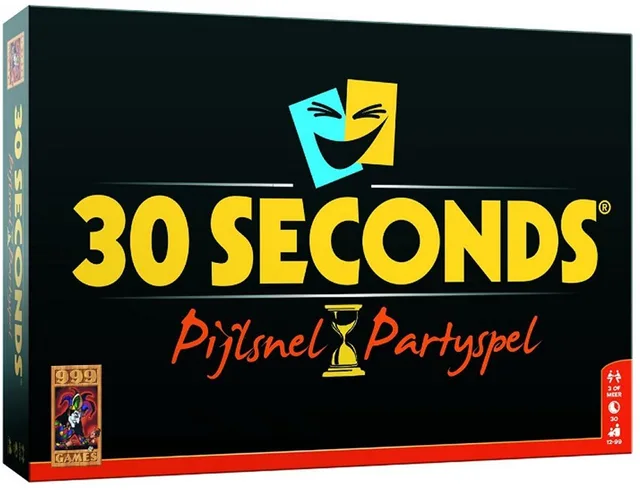
30 Seconds ®
- Players: 3–24
- Playing time: 30 min
- Age: 12+
From €42.90 · at 6 shops
- Hasbro Gaming
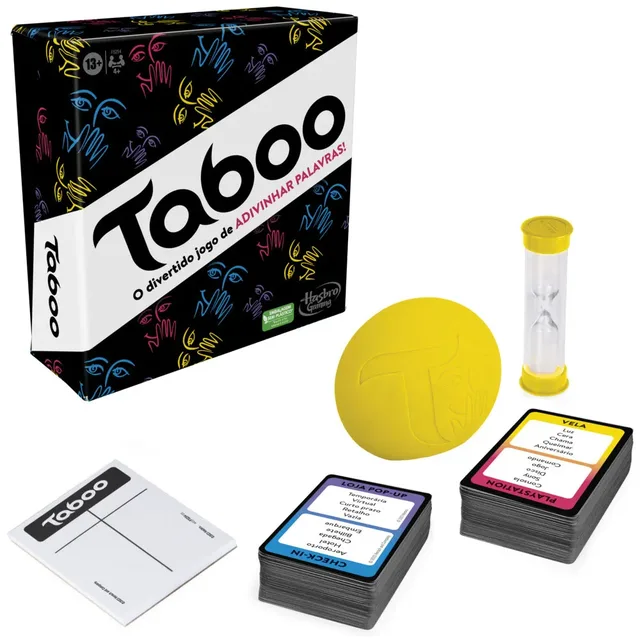
Taboe
€25.98 · at 1 shop
Guessing games: pictures, stories and questions
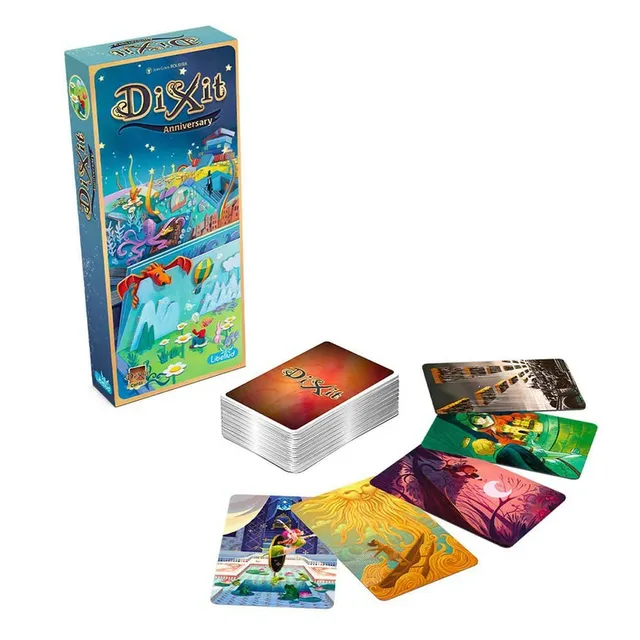
Guessing games run on imagination or general knowledge. In Dixit from Libellud the storyteller picks a card with a dreamlike drawing and says a sentence about it. The others secretly add a card of their own, and then everyone guesses which card was the storyteller's. Dixit won the Spiel des Jahres in 2010. Expansions add new cards, such as Dixit 9: Anniversary.
If your group likes quiz questions, look at Jumbo's Party & Co series, where each turn you draw, mime, describe or answer a question. Jumbo lists Party & Co. Family from age 8, and Party & Co. Rush is meant for teenagers and adults. The Floor from Identity Games is based on the TV show: you defend squares on the floor by guessing faster than your opponent.
Guessing games
- Asmodee
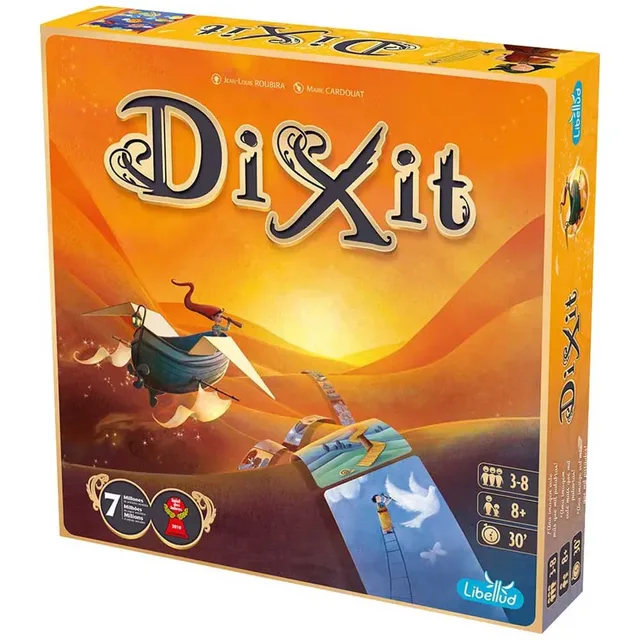
Dixit Classic
€35.98 · at 1 shop
- Jumbo
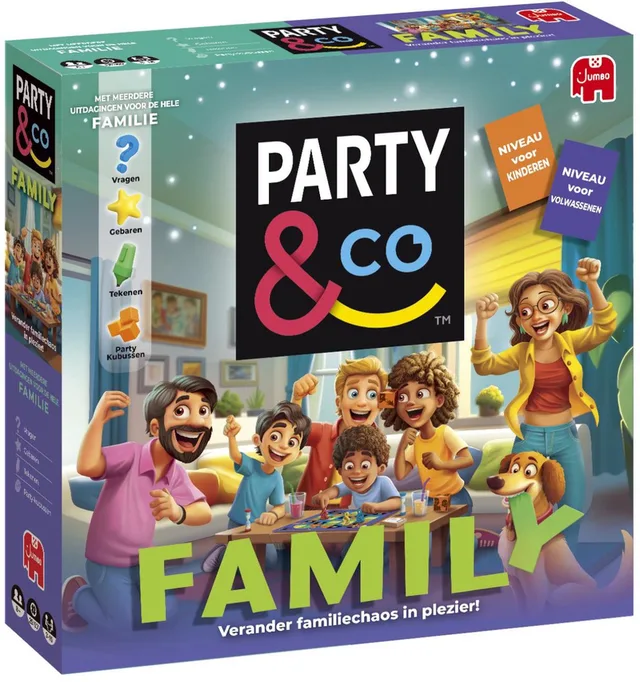
Party & Co. Family - Bordspel voor families - Vanaf 8 jaar
From €27.99 · at 2 shops
- Jumbo
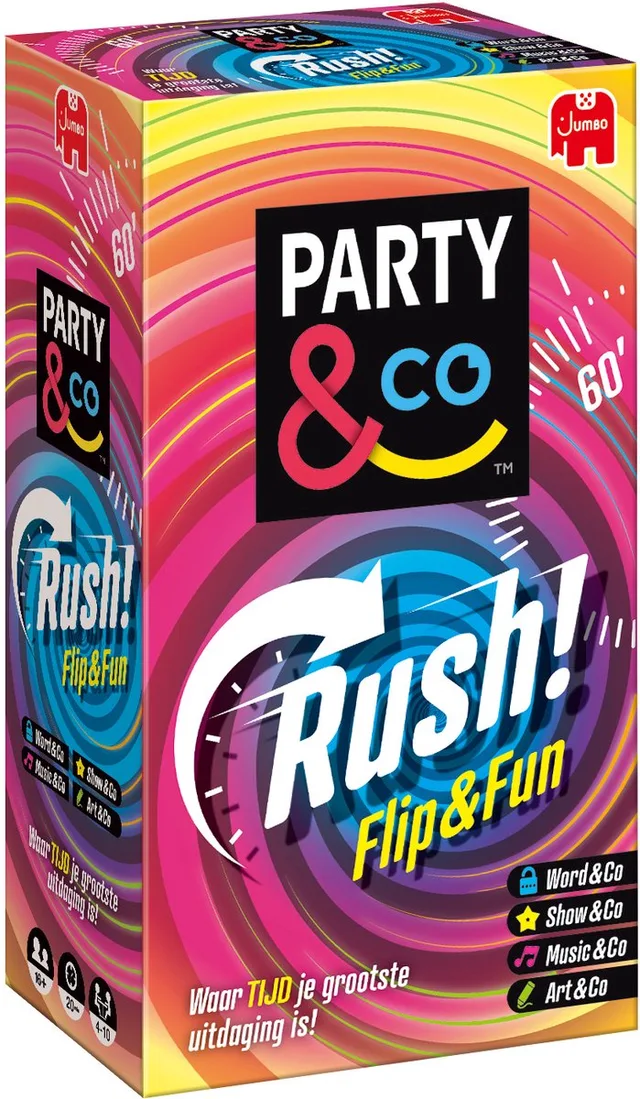
Party & Co. Rush - Partyspel voor volwassenen - Partygame
From €23.98 · at 3 shops
Lowest in 35 days
- Identity Games
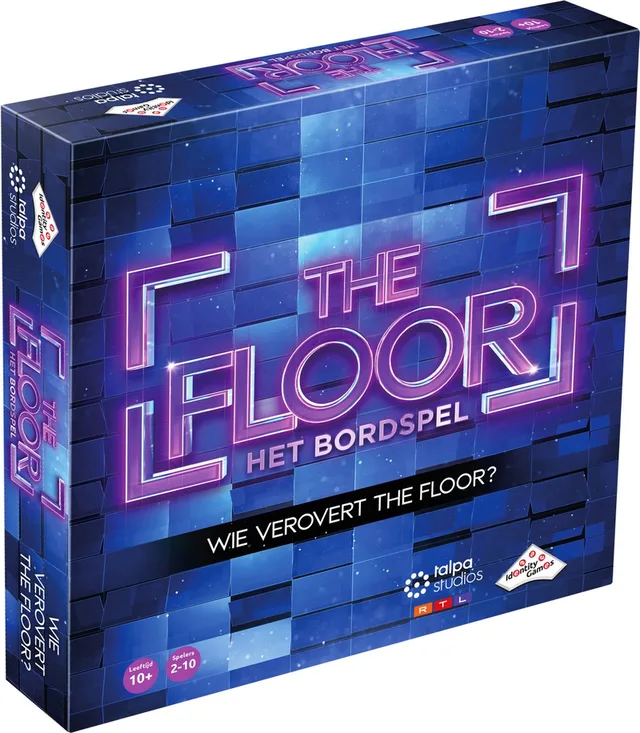
The Floor - Partyspel - Gebaseerd op het tv-programma
From €27.98 · at 2 shops
- Libellud
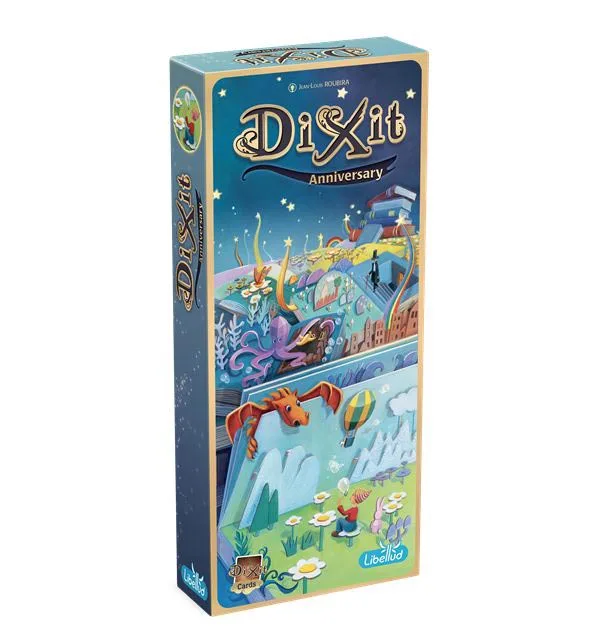
Dixit 9: Anniversary
From €22.98 · at 2 shops
Lowest in 29 days
Bluffing games: who is lying?
In a bluffing game everyone has a secret. You win by fooling the others or by unmasking the liar. That makes for lively talk at the table, but not everyone enjoys being accused. Play a bluffing game with a group that knows each other.
- Werewolves of Millers Hollow: the well-known game of villagers and werewolves, with a game master who runs the night and the day. The publisher lists 8 to 18 players.
- One Night Werewolves: Ravensburger's short version, with one night and one vote. Ravensburger lists 3 to 10 players from age 9. A free app can take over the role of game master.
- The Resistance and The Resistance: Avalon: a resistance group with traitors inside, for 5 to 10 players according to Indie Boards & Cards. Avalon is set in the world of King Arthur.
- Skull: each player has four discs: three with a flower and one with a skull. You bid how many flowers you can turn over without finding a skull. Space Cowboys lists 3 to 6 players.
- Cockroach Poker Royal: you pass a card on and say what is on it. The other player has to decide: believe it or not.
Bluffing games
- Asmodee
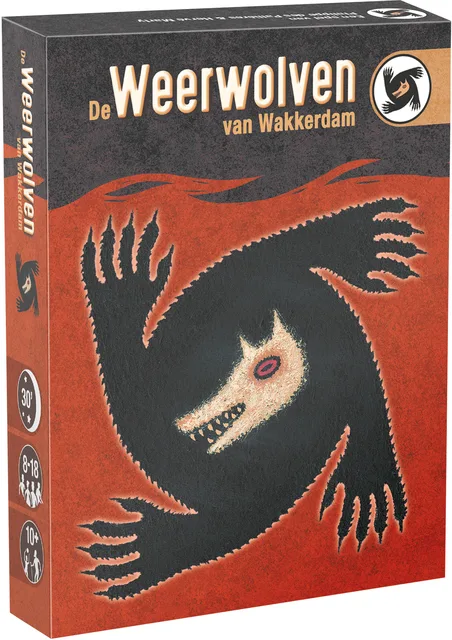
Card game The Werewolves of Wakkerdam
From €17.10 · at 6 shops
- Ravensburger
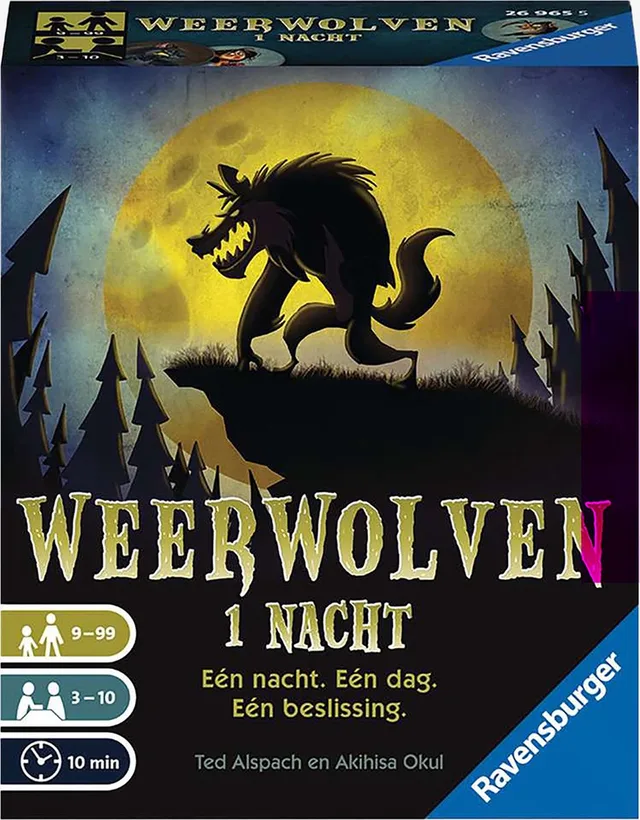
Weerwolven 1 Nacht, the classic werewolf game, 3 players and up
From €14.28 · at 8 shops
- Indie Boards & Cards
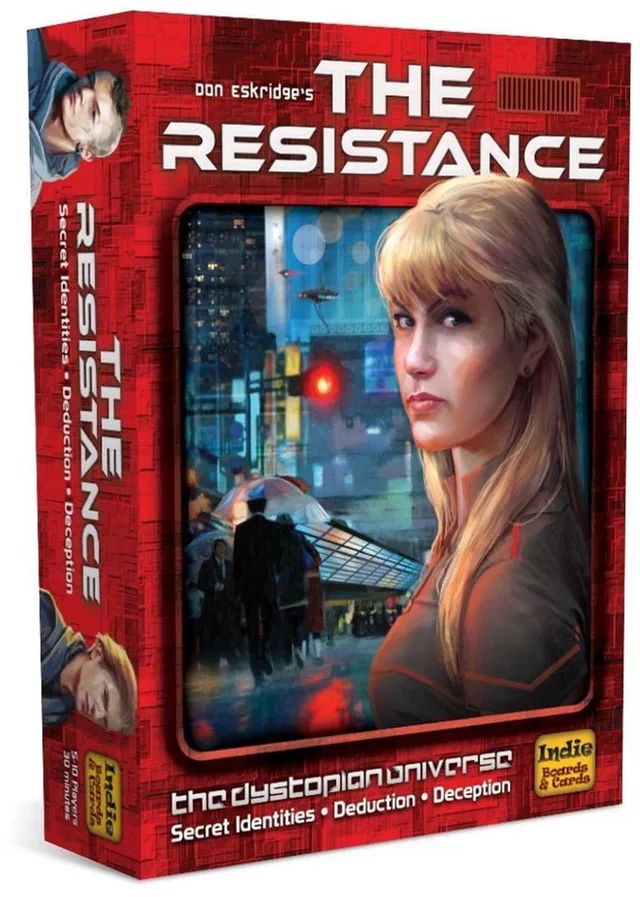
The Resistance
From €25.98 · at 2 shops
- Indie Boards & Cards
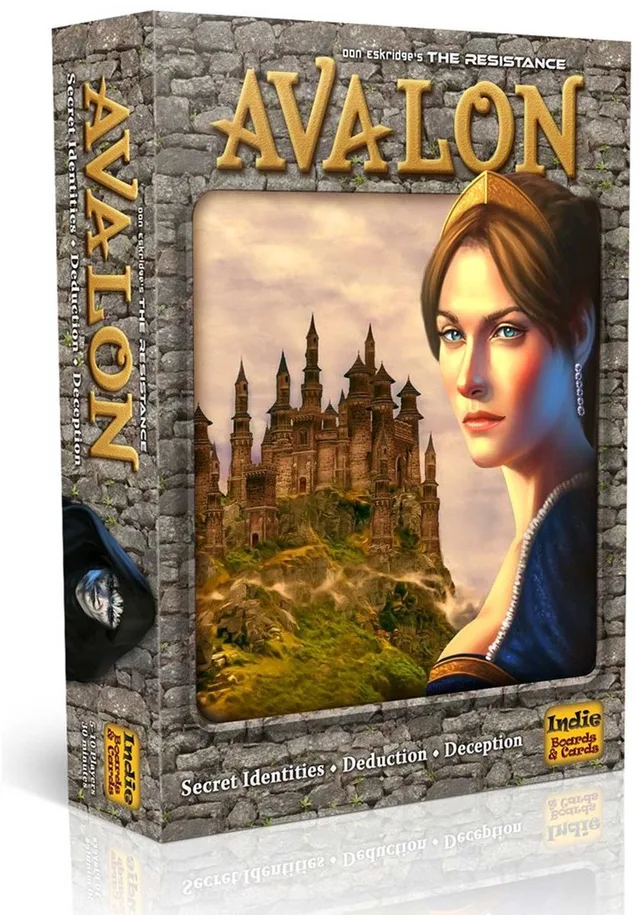
The Resistance: Avalon - Strategisch
From €27.60 · at 2 shops
- Space Cowboys
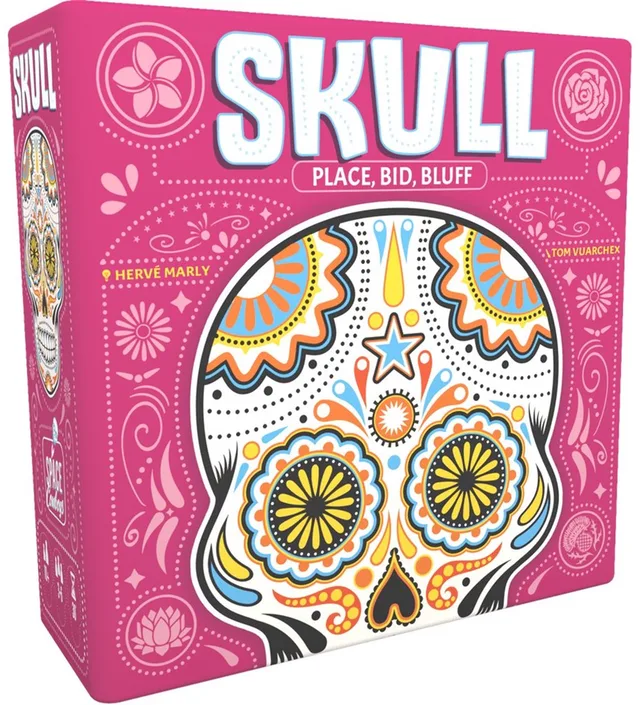
Skull
€24.98 · at 1 shop
- Schmidt Spiele
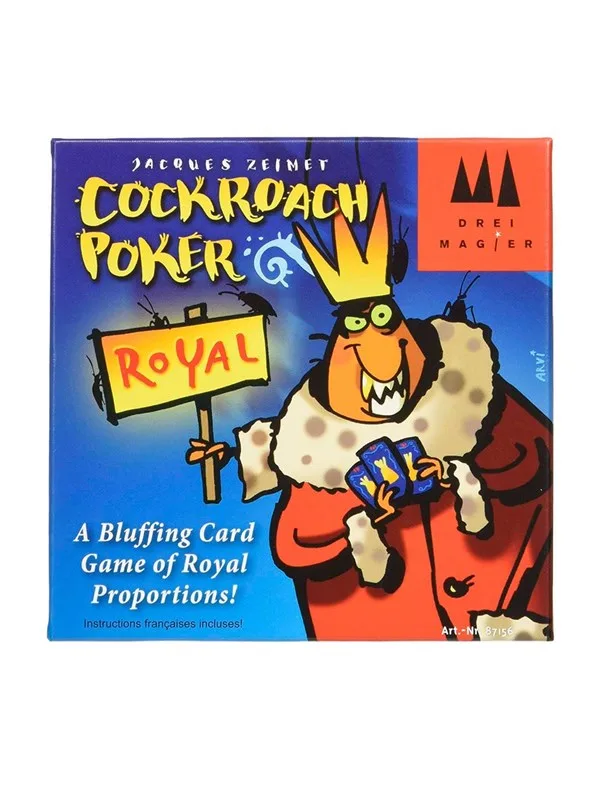
Cockroach Poker Royal
€22.44 · at 1 shop
How to choose
- A group that does not know each other well yet: a co-operative word game like Just One. Everyone plays together and nobody is left out.
- Two teams and some competition: Codenames, 30 Seconds or Taboo.
- Mixed ages: Dixit or Concept, because they work with pictures.
- Friends who like a good argument: a bluffing game, and with ten or more players Werewolves of Millers Hollow.
You will find all games of this kind under party games and under games for 5 or more players. If you would rather play together against the game, read our guide to co-operative games. Looking for a holiday present? The gift guide helps.
Frequently asked questions
Which party game works with 10 players or more?
Check the maximum player count on the box. Repos Production lists Concept for 4 to 12 players, Werewolves of Millers Hollow is for 8 to 18 players and The Resistance goes up to 10. In team games like 30 Seconds and Codenames you simply make the teams bigger.
What makes a game a party game?
A party game is a game with short rules, many players at once and little waiting, made for talking and laughing. Most can be explained in a few minutes and played in under half an hour.
Is Werewolves suitable for children?
Ravensburger makes a separate version, Werewolves Kids. For the other versions the age is on the box. The game asks you to bluff and to cope with being accused, so think about the child as well.
Does a word game need to be in my language?
Word games like Codenames and Just One have words on the cards, so pick the language everyone at the table speaks. The game's page lists the editions and languages separately. Dixit has no text on the cards. In Concept you give clues with pictures, but the ideas to guess are written on the cards in one language.
Keep browsing
BoardGameDrop does not sell or test games itself. Player count, playing time and age come from the box and the publisher; the prices are the shops’ prices today.
More guides
- Black Friday 2026: which deals are real? Around Black Friday every shop says everything is cheaper. We put today's price next to the lowest price our shops asked in the 30 days before. Read the guide
- Board games as gifts: Sinterklaas and Christmas ideas A board game as a Sinterklaas or Christmas present: how to choose by age and group, with ideas for children, families, groups and experienced players. Read the guide
- Two-player board games: the best games for two Playing with two calls for different games than a night with friends. This guide sorts out the kinds and names well-known games for two you can compare today. Read the guide


- Guide Strategy games for beginners: where to start
- Guide Co-operative board games: win or lose together
- Guide New board games 2026: the winners, the follow-ups and Essen
- Guide Dorfromantik: every game in the family
- Guide Choosing a family game with children of 6 to 8
- Guide Card games for travelling: which one to take on holiday?